Begonia variabilis sp. ‘Nopphitan’
Stopt 10 jan 2026 15:18
Verzendkosten naar Nederland
SEK 108 PostNL via PostNord
Gecomb. verzending
3 dagenAlle betalingen worden voor je veiligheid door Tradera gecontroleerd.






Beschrijving
It’s not the exact plant in the photo that you’re buying but they’re all beautiful!
Begonia variabilis sp. ‘Nopphitan’ is a rare Southeast Asian Begonia known for its elegant, patterned foliage and compact growth habit. It is typically identified by:
Small to medium heart-shaped leaves
Silvery or pale green surface with dark veins or mottled patterns
Slightly textured, often matte or soft-glossy leaf finish
Upright but delicate stems, making it suitable for terrariums and cabinet growing
This variant is admired for its subtle beauty rather than dramatic coloration, making it a favorite among collectors of miniature and species-type Begonias.
Background and Origin
Originates from Southeast Asia, likely Thailand or adjacent regions
Related to the Begonia variabilis complex, a group adapted to moist forest floors
Found in shaded, humid habitats with steady warmth
Grows naturally among leaf litter, limestone rocks, and mossy substrates
The name “Nopphitan” refers to a locality or collection reference used by Thai growers. It is not an officially described taxonomic variety, but a horticultural identification used in cultivation.
Care Tips
Light
Prefers bright, indirect light or medium filtered light
Too much sun washes out the patterning
Too little light produces elongated stems and dull leaves
Watering
Keep the soil evenly moist but never soggy
Allow the top layer to dry slightly before rewatering
Use soft or filtered water if possible
Humidity
Requires moderately high humidity: 70–85 percent
Ideal for terrariums, glass cabinets, or grow boxes
Low humidity causes leaf curl and dryness at the edges
Temperature
Optimal temperature range: 20–26°C (68–79°F)
Avoid temperatures below 17°C (62°F)
Sensitive to sudden drops in temperature
Soil
Airy, well-draining mix
Recommended blend: coco/peat, perlite, fine bark, a bit of sphagnum
Avoid compact or heavy soils, which quickly lead to rhizome and root rot
Fertilization
Light feeding every 2–3 weeks during active growth
Use a gentle, diluted balanced fertilizer
Avoid strong fertilizers, which can stress the roots
Additional Notes
Very stable in terrariums but more sensitive in open-air environments
Propagation is possible through leaf cuttings or small stem cuttings
Keep airflow gentle but consistent to prevent fungal issues
Koop meer en bespaar op verzendkosten
Gecomb. verzending
3 dagen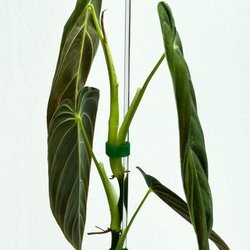 Badge op item:NieuwEindtijd10 jan 13:46.Prijs:SEK 99,Koop nu.
 Badge op item:NieuwEindtijd10 jan 13:54.Prijs:SEK 149,Koop nu.


