William Steinberg & Pittsburgh Symphony Orchestra - Command Performances
Beëindigd 7 mrt 12:27
Start prijs:
EUR 18,50
EUR 19,61 met kopersbescherming.
De veiling eindigde zonder biedingen
Verzendkosten naar Nederland
EUR 6,11 GLS via DSV
EUR 9,62 DHL
EUR 9,81 PostNL via PostNord
EUR 9,81 PostNL via PostNord
Gecomb. verzending
1 dagAlle betalingen worden voor je veiligheid door Tradera gecontroleerd.





Directe betaling
Kopersbescherming geldt voor alle betaalmethoden
1/0
Beschrijving
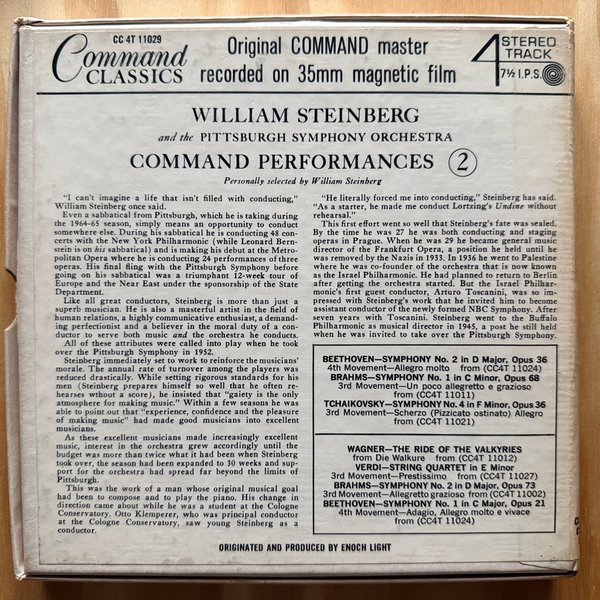
Rullband med klassisk musik framförd av Pittsburgh Symphony Orchestra under ledning av William Steinberg. Innehåller verk av Beethoven, Brahms, Wagner, Tchaikovsky.
William Steinberg samarbetade med audioingeniøren Enoch Light. Denna använde bred 35mm magnetfilm till produktioner, som man kan se under. Akustiken i koncerthallen i Pittsburg är underbar och dessa inspelningarna är värda att lyssna till. Jag kom över samarbetsprojektet mellan Steinberg och Light i en artikel och började leta efter band.
Det var värd mödan. Se efter mina andra rullband från Steinberg/Light/PSO.
Originalinspelning på 35 mm magnetfilm Command CC 4T 11029
Reel-To-Reel, 7 ½ ips, ¼", 4-Track Stereo, 7" Cine Reel, Album
Command Records was founded in 1959 by Enoch Light and soon sought contact with Steinberg. While the rest of the record industry had made magnetic tape the standard for vinyl recordings, Command’s albums were recorded on 35-millimeter film. Light utilized the width of the film strip to create multi-track recordings, as opposed to the more limited two or three tracks offered by most recording studios at the time. The slightly higher linear speed offered an advantage in analog fidelity, and the sprocket-driven film mitigated wow and flutter. This allowed Light to record more instruments individually and adjust their input levels. If you want to grasp Steinberg’s specific way of interpreting these audiophile recordings, it is worth listening to the recordings of classical-romantic symphonic music first. Steinberg follows the composer’s metronome markings in almost all movements of the Beethoven symphonies, avoiding tempo fluctuations and agogic liberties for the most part. Steinberg draws Beethoven’s energy solely from the musical text – it is a completely unpretentious but very effective way of playing music. He also removes the heavy Germanic style from Brahms’ symphonies. There is an adage among musicologists that the permanent modulation work in Brahms’ music always makes you think of the founding of Krupp-Stahl … None of this can be felt here with Steinberg. Not just that – at times he almost makes Brahms sing and dance. The American pool of this compilation is at least as remarkable. Steinberg has always been passionate about performing composers such as Gershwin, Copland and Rodgers. The interpretative meticulousness and sense of rhythmic complexity and orchestral colorfulness that Steinberg displays together with the Pittsburgh Symphony Orchestra is admirable.
William Steinberg samarbetade med audioingeniøren Enoch Light. Denna använde bred 35mm magnetfilm till produktioner, som man kan se under. Akustiken i koncerthallen i Pittsburg är underbar och dessa inspelningarna är värda att lyssna till. Jag kom över samarbetsprojektet mellan Steinberg och Light i en artikel och började leta efter band.
Det var värd mödan. Se efter mina andra rullband från Steinberg/Light/PSO.
Originalinspelning på 35 mm magnetfilm Command CC 4T 11029
Reel-To-Reel, 7 ½ ips, ¼", 4-Track Stereo, 7" Cine Reel, Album
Command Records was founded in 1959 by Enoch Light and soon sought contact with Steinberg. While the rest of the record industry had made magnetic tape the standard for vinyl recordings, Command’s albums were recorded on 35-millimeter film. Light utilized the width of the film strip to create multi-track recordings, as opposed to the more limited two or three tracks offered by most recording studios at the time. The slightly higher linear speed offered an advantage in analog fidelity, and the sprocket-driven film mitigated wow and flutter. This allowed Light to record more instruments individually and adjust their input levels. If you want to grasp Steinberg’s specific way of interpreting these audiophile recordings, it is worth listening to the recordings of classical-romantic symphonic music first. Steinberg follows the composer’s metronome markings in almost all movements of the Beethoven symphonies, avoiding tempo fluctuations and agogic liberties for the most part. Steinberg draws Beethoven’s energy solely from the musical text – it is a completely unpretentious but very effective way of playing music. He also removes the heavy Germanic style from Brahms’ symphonies. There is an adage among musicologists that the permanent modulation work in Brahms’ music always makes you think of the founding of Krupp-Stahl … None of this can be felt here with Steinberg. Not just that – at times he almost makes Brahms sing and dance. The American pool of this compilation is at least as remarkable. Steinberg has always been passionate about performing composers such as Gershwin, Copland and Rodgers. The interpretative meticulousness and sense of rhythmic complexity and orchestral colorfulness that Steinberg displays together with the Pittsburgh Symphony Orchestra is admirable.
Koop meer en bespaar op verzendkosten
Gecomb. verzending
1 dag Eindtijd28 mrt 17:58.GepromootPrijs:EUR 148,00,Of Koop nu EUR 203,50,.
 Eindtijd28 mrt 18:04.Prijs:EUR 69,38,Of Koop nu EUR 101,75,.
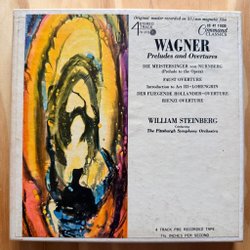 Eindtijd29 mrt 12:07.Prijs:EUR 32,38,Koop nu.
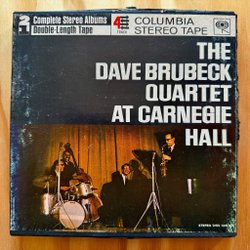 Badge op item:NieuwEindtijd2 apr 14:42.Prijs:EUR 111,00,Of Koop nu EUR 138,75,.
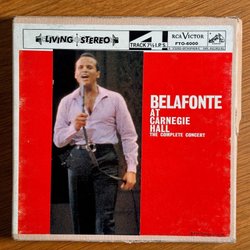 Badge op item:NieuwEindtijd2 apr 14:49.Prijs:EUR 46,25,Of Koop nu EUR 74,00,.
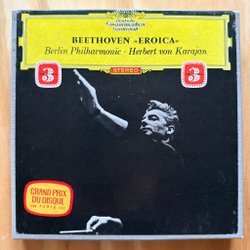 Eindtijd6 apr 09:18.Prijs:EUR 27,75,Koop nu.
 Eindtijd23 mei 12:48.Prijs:EUR 32,38,Koop nu.
 Eindtijd23 mei 20:26.Prijs:EUR 37,00,Koop nu.
 Eindtijd23 mei 20:43.Prijs:EUR 41,63,Koop nu.


Anderen vonden het ook leuk
Meer voor jou
Prijs:.
Prijs:.
Prijs:.
Prijs:.
Prijs:.
Prijs:.
Prijs:.
Prijs:.
Prijs:.
Prijs:.
Prijs:.
Prijs:.